

Having a large, vibrant digital display to feature your company’s advertisements on can definitely boost your business, but how detailed does a TV screen really need to be? For the last few years, 8K displays have swept the display technology market and reshaped the way we perceive high-definition video and stills. Here’s everything you need to know about 8K displays before investing in one for your workplace.
In order to understand the power of an 8K display, a base knowledge of display resolutions is needed. When you look at the screen of any digital device – your phone, laptop or PC monitor – the images you see are created by thousands to millions of small squares of light that change color. These small squares are called pixels. Screen resolution is the number of pixels a screen’s area can hold.
For example, a screen that has a resolution of 1080p (also known as full HD) can display 1080 pixels vertically and 1920 pixels horizontally. 8K ultra HD spans 4320 pixels vertically and 7680 pixels horizontally, almost four times that of full HD. 8K ultra HD is currently the highest resolution defined in the Rec. 2020, a manual used to define industry standards by the International Telecommunication Union. The more pixels a screen contains, the more detailed the pictures it can hold will be.
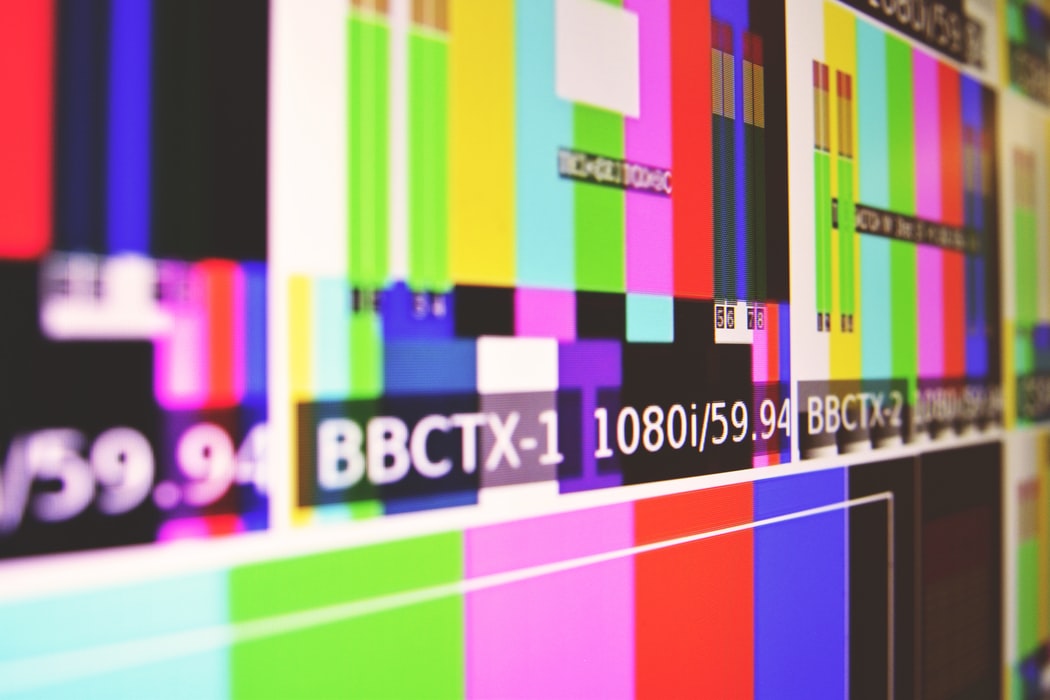

As of now, 8K displays are primarily used for artistic purposes and scientific research.
8K screens are fantastic for creating hyper realistic art because of the extremely detailed images they can contain. Recording in 8K also allows filmmakers to crop, zoom in on and downsize wide shots without sacrificing image quality.
8K displays have also been used by NASA to retrieve high-resolution images of celestial objects like planets, galaxies and stars. Medical facilities where doctors need extremely detailed pictures of patients’ bodies in order to perform complicated surgeries have also benefitted from the use of 8K screens.
When it comes to the business world, however, 8K displays might not be all that useful.
8K displays are a very new, limited and costly technology and so are the cameras used to shoot images in 8K. Even the highest-quality videos coming out of Hollywood today were recorded in lower resolutions. For instance, the GlamBOT robot camera that has been stealing the show at the last few Grammy Awards only shoots video in 4K and still creates a very detailed image. If your business buys an 8K display without buying cameras capable of shooting in 8K, the display will show extremely distorted and unimpressive versions of any promotional videos, photos or graphics you create.
Sales of 4K screens grew six times faster than expected when they first entered the market and became incredibly cost-effective as a result. The same thing might happen to 8K in the next few years. Until 8K screens and equipment become more affordable, full HD and 4K screens provide just enough detail for your business’s digital signage to do its job in an elegant and practical fashion.